
I needed that 2010 World Cup bracket, and I needed it now. Not some blurry JPEG from a random blog. I wanted the clean, official tournament tree PDF. Why? Because Mike, my old college roommate, was over, and we got into a stupid argument about the US vs. Algeria match and our cursed accumulator bet from back then. He was dead-set that if the US had placed differently in the group, they would have had an “easier” path, and I knew his memory was shot. I wasn’t going to trust some fan site; I needed the official paperwork to shut him up.
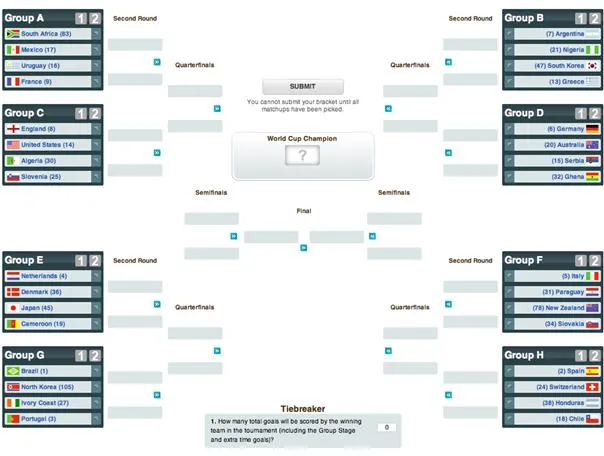
This whole practice, the way I approach things now, is all about getting the original source, not the rumor. It’s a pain, but it’s the only way to get a clean result, especially when you’re digging up history.
My Practice: Digging Up the Official Archive
First, I did what everyone does. I typed the obvious crap into the search bar:
“2010 world cup bracket printable.”
What a waste.
I got flooded with links to current tournaments, sites trying to sell me old jerseys, betting links that should have been dead years ago, and about a thousand images that looked like they were photocopied through a fish tank. Garbage. If you want a simple, clean, printable diagram, you can’t rely on casual search results. They are messy, they are low quality, and they are usually wrong.
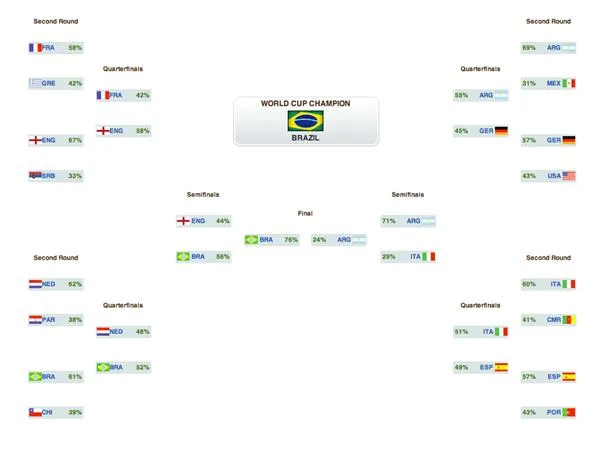
I realized I needed to stop searching like a fan and start searching like an archivist. I figured FIFA must have issued a media kit or a press document that included the official flow chart of the knockout stages. They don’t just put up a picture; they make a perfect PDF for the press corps.
So, I started refining the queries. This is the messy part, the drilling down that most people skip:
- I changed my mindset and started using terms that media people use: “official 2010 FIFA World Cup tournament tree PDF” or “media guide pdf” or “press kit.”
- I tried adding the file type search operator—you know, “filetype:pdf”—to cut through the noise. This sometimes works like magic, but for old docs, it can be hit-or-miss.
- I hit a dead end with the main FIFA and major sports sites. Everything was current. They wipe the history and focus on the next big event.
- Then, I remembered the government and international organization archives. Often, the press releases and documents are mirrored by government bodies, not just the sporting organization itself.
I spent about twenty minutes clicking through archived news links. It felt like walking through an abandoned warehouse. I finally nailed it down. It wasn’t on a fan site; it was actually nested deep inside an international media relations archive, linked from a final press bulletin about the final four teams. That PDF wasn’t just a bracket; it was the whole damn media kit—a beautiful, vector-graphic, clean-as-a-whistle printable PDF. It printed perfectly on a single sheet of A4. I extracted the relevant page, printed it, and shoved it in front of Mike’s face. It settled our argument instantly.
Why the Obsession with The Official Document?
Someone might ask, “Why waste an hour of your life finding a PDF from 2010?” I mean, I could have just looked up the results on Wikipedia, right? Wrong. This whole approach—this commitment to finding the clean, official, uncorrupted source—it’s how I operate now. It’s a habit I picked up the hard way.
I was working for a medium-sized software company back in 2012. I was new to a senior role, and I was pulling stupid hours trying to keep a legacy payment system working. It was a total mess, a Frankenstein’s monster of code. I spent six months cleaning it up, making it stable, and most importantly, documenting everything I did. Every change, every log, every sign-off. I kept a copy of every single paper receipt and every PDF specification document on a separate, offline hard drive. A lot of my colleagues said I was paranoid, but I was just tired of the constant finger-pointing.

Then, the axe fell. An internal audit came down hard on the company, looking for someone to blame for some missing revenue data. The manager of my division, a total snake of a guy, decided he was going to pin the issue on the system I managed. He claimed I had implemented an update without approval and that my code had a flaw. He even tried to show a modified document to the audit team that suggested I was solely responsible. He was lying through his teeth, trying to save his own skin.
When it was my turn to talk, I didn’t argue. I didn’t get angry. I just sat there, quiet. When he finished his little performance, I simply pulled up my archived docs. I showed them the original signed-off requirements PDF (dated months before the supposed flaw), the perfectly signed off testing document that had been countersigned by his own deputy, and the immutable log archive I kept. He thought I’d be disorganized like the rest of the crew. He went absolutely pale when I produced the clean, official record.
They fired him two days later for document tampering and fraud. I wasn’t fired. I got a raise.
That moment changed my whole outlook. I started hoarding official documents. It wasn’t just about my job anymore. It was about everything that matters. From my kid’s school calendar PDF to a 15-year-old World Cup bracket, the rule is the same: always get the clean, original, official source. Don’t rely on random sites, and don’t let anyone rewrite history or cloud the facts with a blurry jpeg. The official PDF settles it instantly, without drama. That’s why I dig. That’s why I share the path. Get the official file, people. Always. It makes life simple.